
The Appeal of Risk-Taking
The allure of gambling often lies in the thrill of taking risks and the potential for substantial rewards. This excitement attracts individuals from diverse backgrounds, each seeking a different thrill or escape, especially with the rise of new betting sites that provide various options. The release of dopamine associated with winning stimulates feelings of pleasure, transforming gambling from merely a financial endeavor into an emotional experience. As players chase the euphoric highs linked to victories, they may overlook the inherent risks involved, leading them into a cycle of continuous play that can be difficult to break.
Moreover, the psychology of risk-taking is multifaceted and can be influenced by various factors, including personality traits, past experiences, and environmental cues. Individuals who score higher on traits like sensation-seeking or impulsivity are often more drawn to high-risk activities, including gambling. This propensity can make them particularly susceptible to the allure of betting, as they actively seek the adrenaline rush that accompanies wagering money on uncertain outcomes. The need for thrill can transcend mere financial gain, becoming a crucial part of their identity and lifestyle.
The environment in which gambling occurs also significantly amplifies the appeal of risk-taking. The bright lights, engaging sounds, and the presence of other players create a stimulating atmosphere that heightens excitement. Casinos and online platforms are designed to keep players engaged, making it increasingly difficult to resist the temptation of placing another bet or playing another round, even in the face of significant losses. This immersive environment fosters a sense of urgency and can trap individuals in a cycle where the excitement of risk often overshadows the reality of potential financial loss.
The Illusion of Control
One of the most intriguing aspects of gambling behavior is the illusion of control that many players exhibit. Gamblers often believe they can influence the outcome of games that are primarily based on chance, such as slot machines or roulette. This misconception can lead to overconfidence, where individuals make irrational decisions based on the false belief that they can sway odds in their favor. This cognitive distortion serves to further entrench them in a cycle of gambling, as they chase the idea that they can indeed control their fate.
The perception of control can be rooted in personal experiences or observations. For instance, witnessing a friend or family member win can create a false sense of confidence in one’s own betting abilities. Players may convince themselves that specific strategies or rituals can lead to better outcomes, reinforcing their beliefs that they have more influence over the game than they actually do. This psychological barrier creates a significant challenge for individuals to recognize the randomness inherent in most gambling activities, making it difficult to step back and assess their behavior objectively.

Additionally, the illusion of control often leads to erratic behavior, where gamblers engage in “loss chasing.” In this scenario, individuals believe they can recover lost funds through continued play, convincing themselves that a win is just around the corner. This pattern can be particularly destructive, leading to significant emotional and financial distress as gamblers become trapped in a cycle of hope and despair, compounded by their misunderstanding of chance and control. The more they chase losses, the deeper the cycle of gambling becomes, often culminating in severe consequences.
The Role of Cognitive Biases
Cognitive biases play a crucial role in shaping gambling behaviors, influencing how individuals perceive their experiences and outcomes. One common bias is the “gambler’s fallacy,” where individuals believe that past events will affect future outcomes in random games. For example, if a specific number has not come up in a game, a player might feel compelled to bet on it, thinking it is “due” for a win. This misconception can lead to misguided betting strategies that ignore the randomness of the game, ultimately resulting in greater losses.
Another prevalent bias is the “near-miss effect,” where players perceive a near-win as a sign that victory is within reach. This psychological phenomenon can encourage further gambling, as players fixate on close outcomes rather than the actual odds of winning. The emotional impact of a near miss can lead to increased play, reinforcing a cycle where gamblers continually engage in betting despite accumulating losses. The powerful influence of these biases distorts decision-making processes, making it increasingly challenging for individuals to recognize the need for change.
Furthermore, confirmation bias plays a significant role in gambling behavior. This occurs when individuals selectively gather or interpret information in a manner that confirms their pre-existing beliefs about luck or skill. For instance, a gambler may recall their wins while conveniently disregarding numerous losses, skewing their perception of their gambling abilities. These cognitive biases create a self-reinforcing cycle, making it increasingly difficult for individuals to acknowledge the negative impact of their gambling behavior or seek help when needed.
The Emotional Highs and Lows of Gambling
The emotional landscape of gambling is akin to a rollercoaster ride, characterized by intense highs and lows that can significantly impact an individual’s psyche. Winning can elicit euphoric feelings, while losing often leads to despair or anxiety. This emotional volatility is a driving factor for many gamblers, as the potential for a high can be intoxicating, compelling them to continue gambling despite previous losses. The psychological effects can create a dependency on these emotional spikes, fueling habitual gambling behavior and leading to potential addiction.
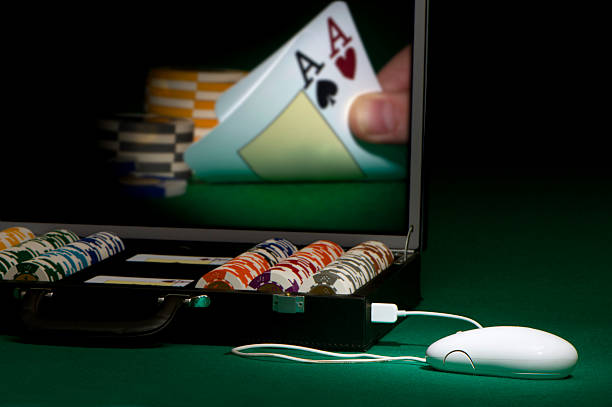
Moreover, the social aspect of gambling can also play a substantial role in shaping emotions. Many individuals gamble in social settings, where camaraderie with others can amplify excitement and the emotional highs associated with winning. This communal aspect can provide a sense of belonging or identity, making it harder for individuals to disengage from gambling activities even when faced with negative consequences. The highs experienced collectively can overshadow personal losses, creating a complex emotional web that complicates the decision to withdraw from gambling.
The consequences of these emotional highs and lows are often profound. For some, the thrill of winning can evolve into a compulsive need, leading to gambling addiction, while others may experience significant emotional distress stemming from financial losses. This distress can adversely affect personal and professional relationships, leading to a cycle of isolation and despair. Understanding these emotional dynamics is crucial for grasping why individuals might find it difficult to stop gambling, even when it brings more harm than good. Recognition of these patterns can be an essential first step toward seeking help and making positive changes.
Understanding Gambling Behavior Through Research
Current research into gambling behavior provides invaluable insights into the psychological mechanisms at play. Studies reveal how environmental factors, personal traits, and cognitive biases interrelate to shape gambling patterns. By examining various demographics, researchers can identify risk factors associated with problematic gambling behavior, such as depression, anxiety, and impulsivity. This research is crucial for developing effective prevention and intervention strategies that address the psychological underpinnings of gambling addiction.
Moreover, neuroscience has shed light on the brain’s reward pathways, emphasizing the critical role that chemical processes play in the thrill of gambling. Understanding how dopamine influences behavior helps illustrate why individuals may become addicted to gambling. This knowledge informs the creation of treatment programs aimed at addressing both the psychological and physiological aspects of gambling addiction. By bridging psychological insights with empirical data, professionals can develop comprehensive interventions that consider the multifaceted nature of gambling behavior.
As the internet continues to reshape how gambling operates, ongoing research is essential for understanding new trends in gambling behavior. Online platforms have introduced sophisticated algorithms and engaging interfaces that often heighten excitement and risk through gamification. Research must adapt to explore how these changes impact player behavior, focusing on promoting responsible gambling practices and understanding the psychological implications of these innovations. This ongoing exploration is vital for ensuring that gambling remains a safe and enjoyable activity for those who choose to partake.
